



19th century Austrian Imperial coat of arms
The central element of the Austrian Emblem is the double-headed eagle. This eagle is usually black and flies on its wings, symbolizing the power and domination of the Empire. The two heads of the double-headed eagle represent the two main parts of Austria and Hungary, symbolizing unity and power. A crown is usually worn on the head, symbolizing the authority of the royal family and the monarchy of the empire. The double-headed eagle usually bears a coat of arms on its chest, with multiple small shields inside the coat of arms representing various regions and provinces within the empire. It was not only used in official documents, buildings and military equipment in the 19th century, but also in public events and ceremonies.

Commemorative Medal for the Opening of Jubilee Kindergarten during the Austrian Empire in the 20th Century
The plaque of Emperor Franz Joseph Jubilee's kindergarten opening. On the front is a scene of a kindergarten teacher and four children, with Emperor Franz Joseph presenting a bouquet of flowers. Franz Joseph Jubilee Emperor Kindergarten. On the back, five children gather around a sitting Christ, with a view of Leitz in the background. First collected in the State Museum of Lower Austria.

Popular Models


Honey Badger (3D animated model)
192 View
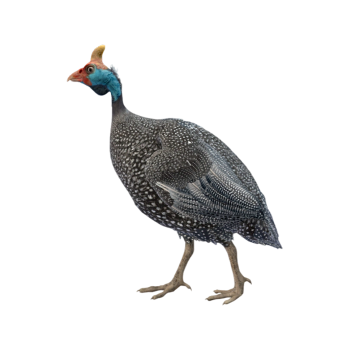
Guinea fowl (3D animated model)
163 View

Wild Goose (3D animated model)
185 View

Red Fox (3D animated model)
153 View
Random Model

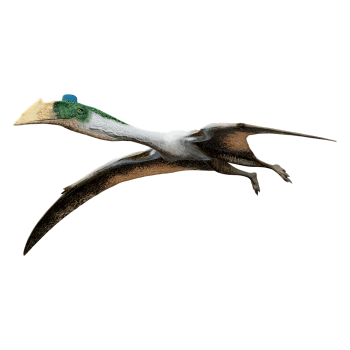



Pirates (3D animated model)
163 View

Melville Whale (3D animated model)
168 View


Aramoron (3D animated model)
144 View

Argentine Dragon (3D animated model)
151 View